iPhone 15 Pro Max Camera Review: Depth and Reach
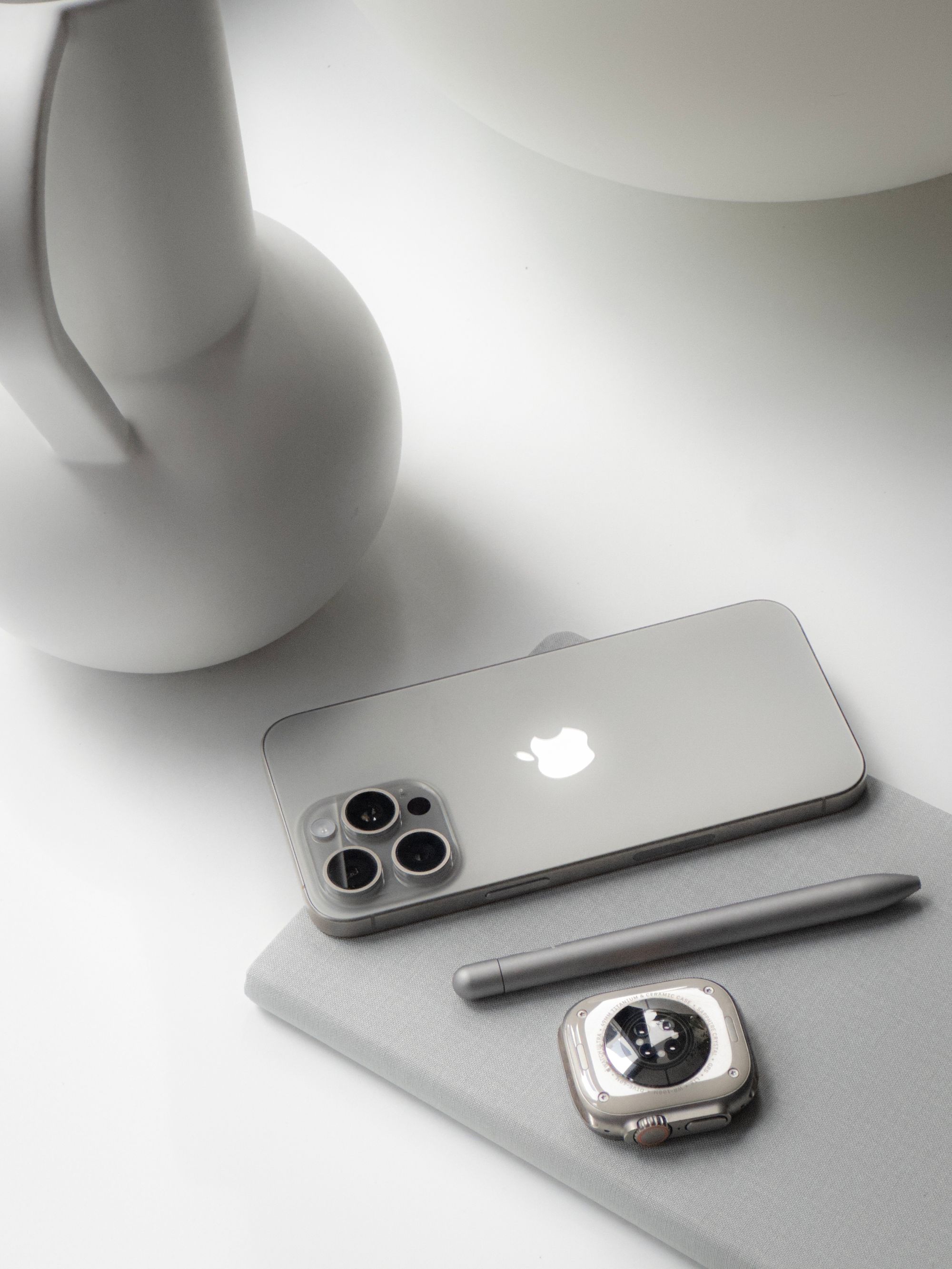
Apple is in the strange position of having to slowly improve a product while also trying to reinvent it.
Some say their success requires them making small, evolutionary steps seem revolutionary. I don't quite agree with that.
As iPhones become better and better over the years, small steps eventually bring tip-over points, when technology starts to enable things that we couldn't imagine years before. These developments enable not mere steps, but leaps forward: the iPhone X's all-screen form factor and Face ID; iPhone 7's Portrait mode; last year's Dynamic Island and 48 megapixel main camera.
So here's iPhone 15 Pro Max. This year brings a leap in materials and silicon, but marks an evolutionary photography step. Or does it?
Intro note: Why should you believe me? I am the design half of Lux, and we make Halide, the most powerful pro camera for iPhone. I'm also a freelance professional photographer.
iPhone 15 Pro Max
I have to get this out of the way: I find physical camera design important. It seems superficial, but camera design has been a playground and muse for artists and designers through the history of photography. There's nothing more magical to design than a box that traps light and converts it to creativity.
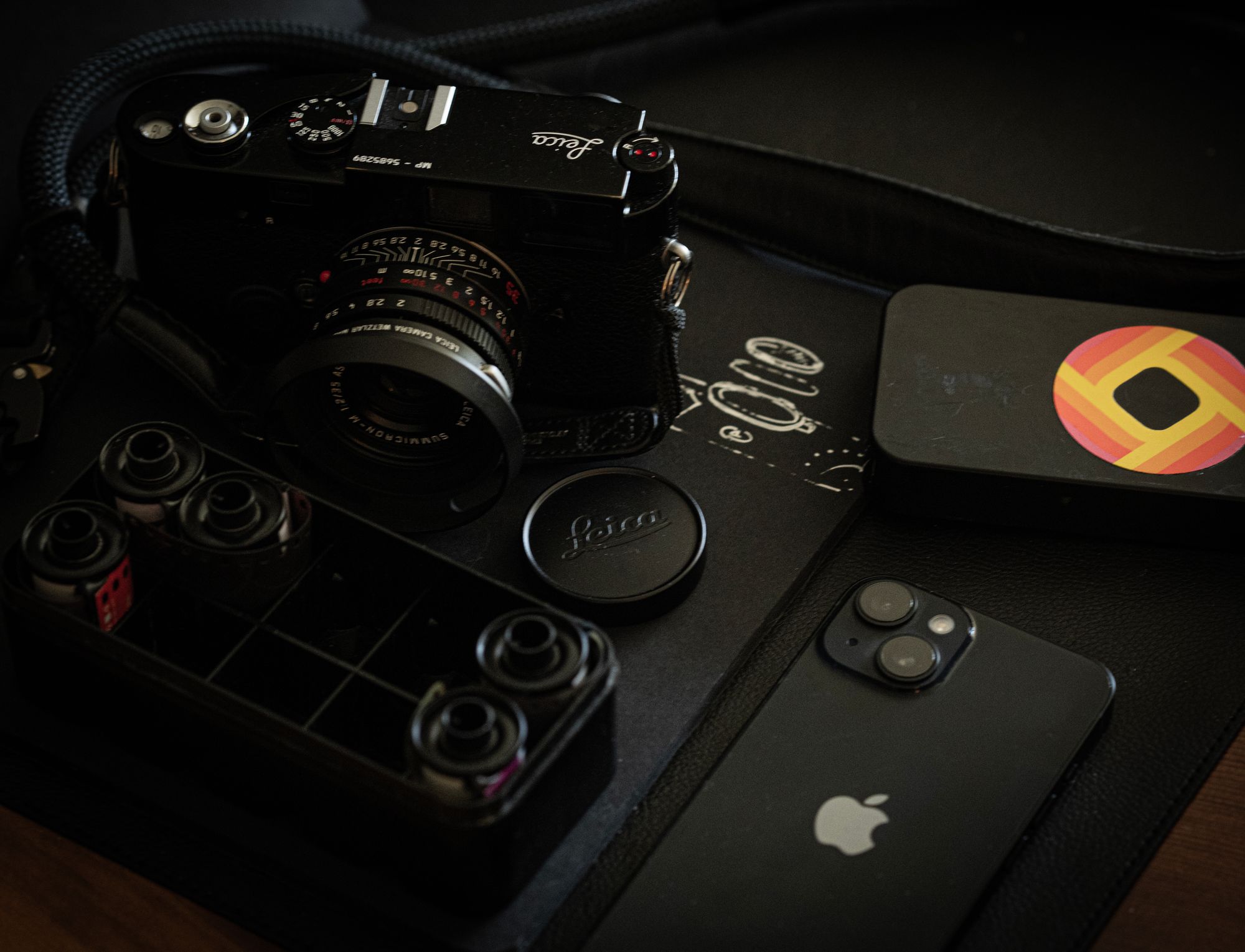
Few companies appreciate this, but Apple certainly did this year. The new Pro line depart from jewel-like appearance of last year. Gone are the reflective, shiny polished stainless steel rails, replaced with an almost imperceptible brushed finish titanium frame that feels fantastic and grippy thanks to its soft finish. The rounded edges make it comfortable in the hand and contoured to your fingers. It might be an illusion, but even the clearance and contour of the buttons make the entire thing feel more tactile.
The 15 Pro deserves a place next to the inimitable iPhone 4 which Steve Jobs himself described as related to a 'beautiful old Leica camera'. This iPhone feels like a camera.
I chose the iPhone 15 Pro Max this year, as its optical zoom lens extends to 5× the default camera, or a 120mm focal length equivalent . Its smaller, non-Max sibling maintains its excellent 3× lens.
My previous Large iPhone Experiences— especially iPhone 12 Pro Max— were enough to make me prefer the smaller screen sizes for every subsequent release. Even my standard-sized iPhone 14 Pro felt borderline too large and heavy.
I went into the 15 Pro Max expecting a little discomfort with a giant slab of glass and metal in my hand, but to my surprise, it felt manageable. That titanium frame and rounder edges really make a difference. If next year's standard size models offer same telephoto lens, I'm not sure if I'll downsize. It's that comfortable.
Tactile feedback improves camera usability, and there's a reason that dedicated cameras still have physical buttons: it's hard to make tapping glass feel satisfying. This year we gained a button, which we'll dive into later.
Ultra Wide
We'll kick off this review looking at the lens that has come standard on every iPhone for the last four years: the ultra wide. Its sensor and lens are unchanged, according to Apple — with the notable exception of the coatings on the lenses, which means fewer flares and reflections when shooting into light sources. Additionally, the ultra wide camera benefits from better processing.
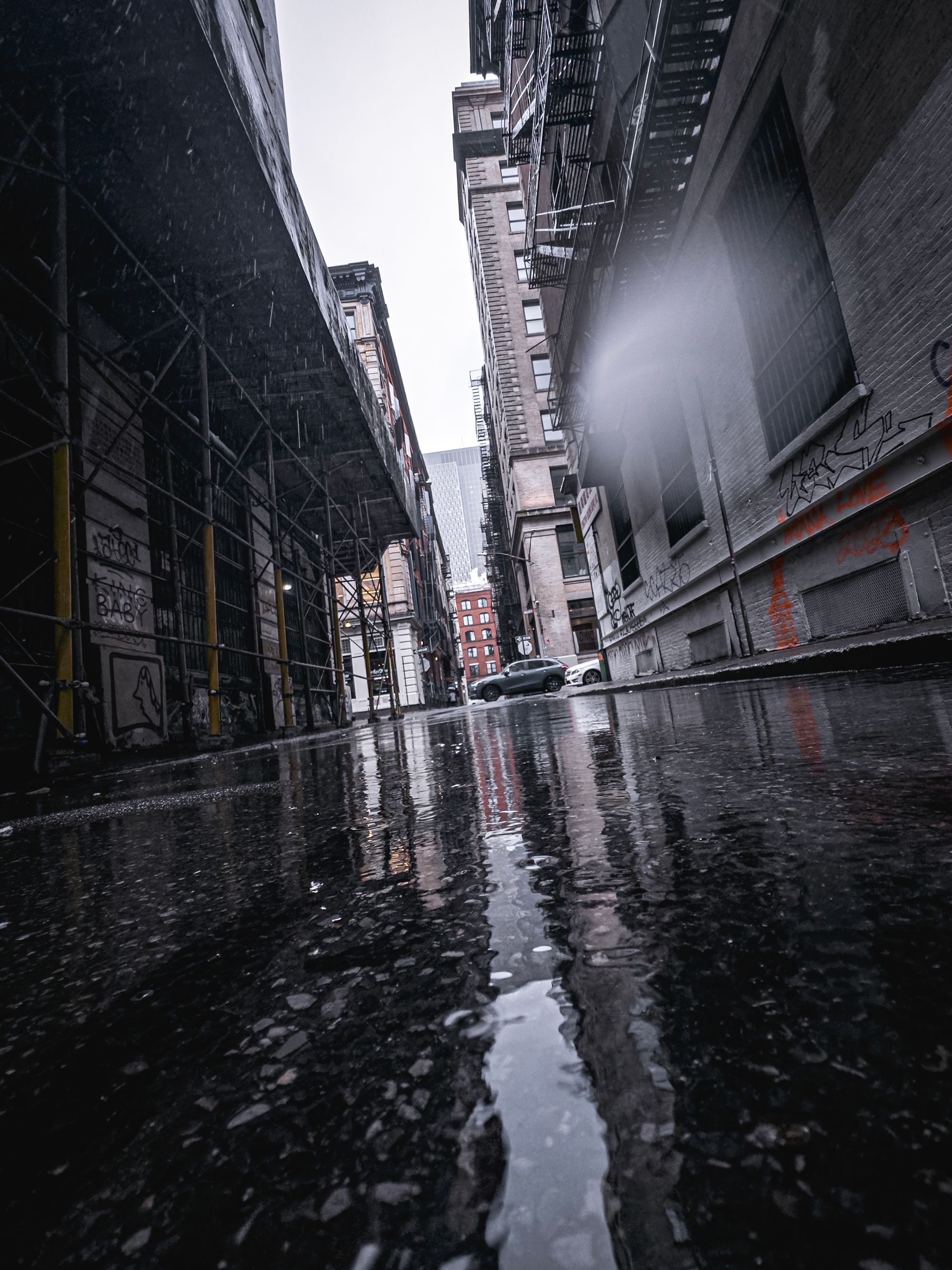
Its field of view remains so incredibly wide that if you don't watch yourself, your body can accidentally end up in your frame. This is a solid, sharp lens that's always fun, because there's almost no framing involved.

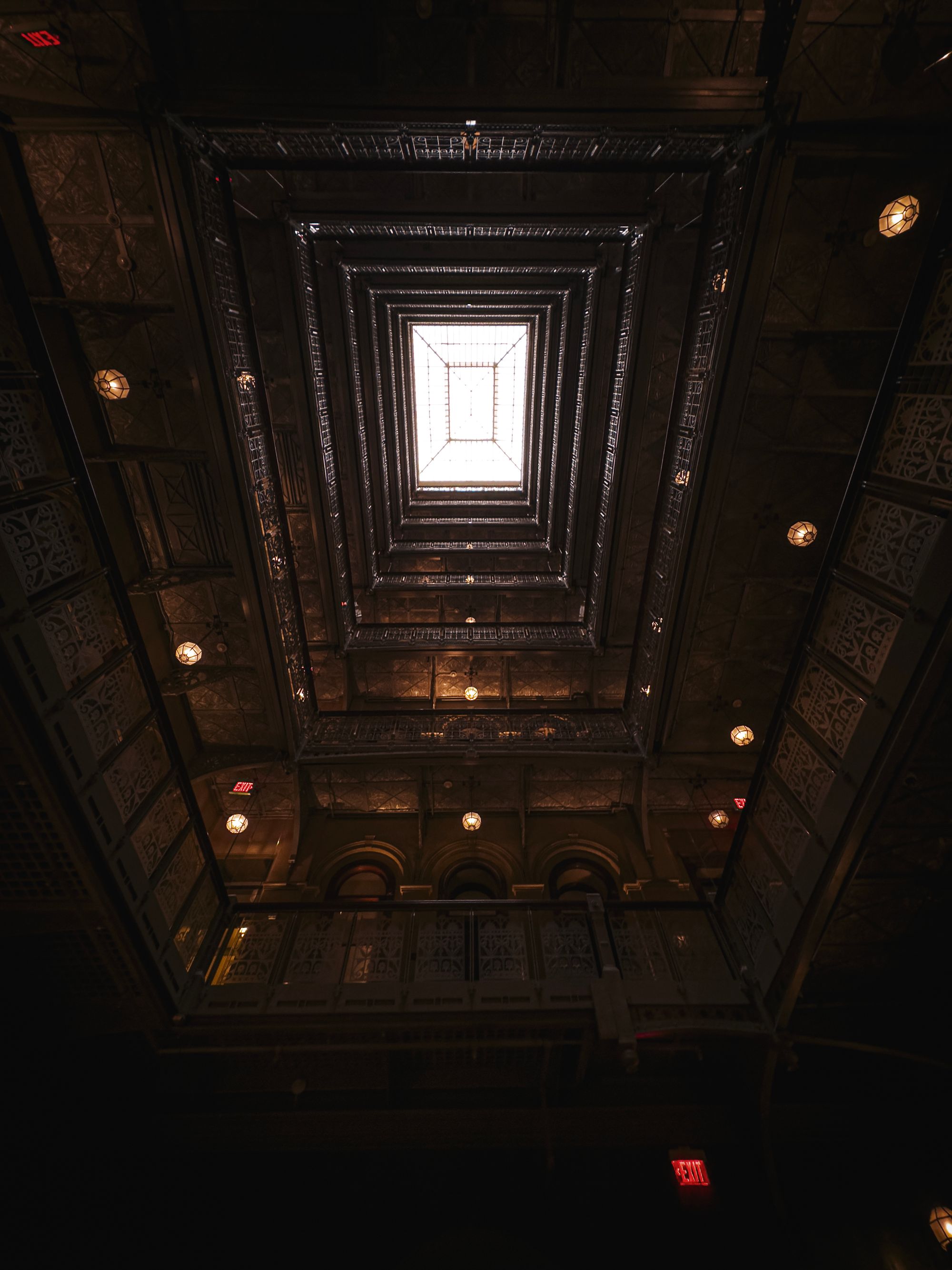


I noted very clear improvements in its handling of very bright light: while the occasional ghost can glint around the viewfinder, it happens a lot less often. In the dark it does fine, but in daylight, it does great. Shots are incredibly detailed and sharp, and the macro mode is astonishingly close focusing.
One thing that I'd love in a future iPhone: an extra 'lens' in between this hyper-ultra wide and the regular camera, offering me a 16/18mm equivalent field of view. It would help keep subjects framed with a bit less distortion near the edges and fewer accidental finger photos. Hopefully this can be achieved similar to 2× mode, using a higher-resolution sensor that creates a virtual lens.
Main
Last year, I waxed poetic about the main (or 'wide') camera on iPhone 14 Pro — taking it through Bhutan by motorcycle and Tokyo by foot. Without hyperbole, it was easily the most dramatic shift for my personal photographic process. Not only did the iPhone suddenly take 48 megapixel photos — the camera itself began to render in a way that I could only ineffectively describe as 'real-camera-like': I really got shots that were great. Not 'great for a phone' — genuinely great photos.
This year's main sensor and lens combo feels just like one on the iPhone 14 Pro. Zero complaints. It's a great camera.
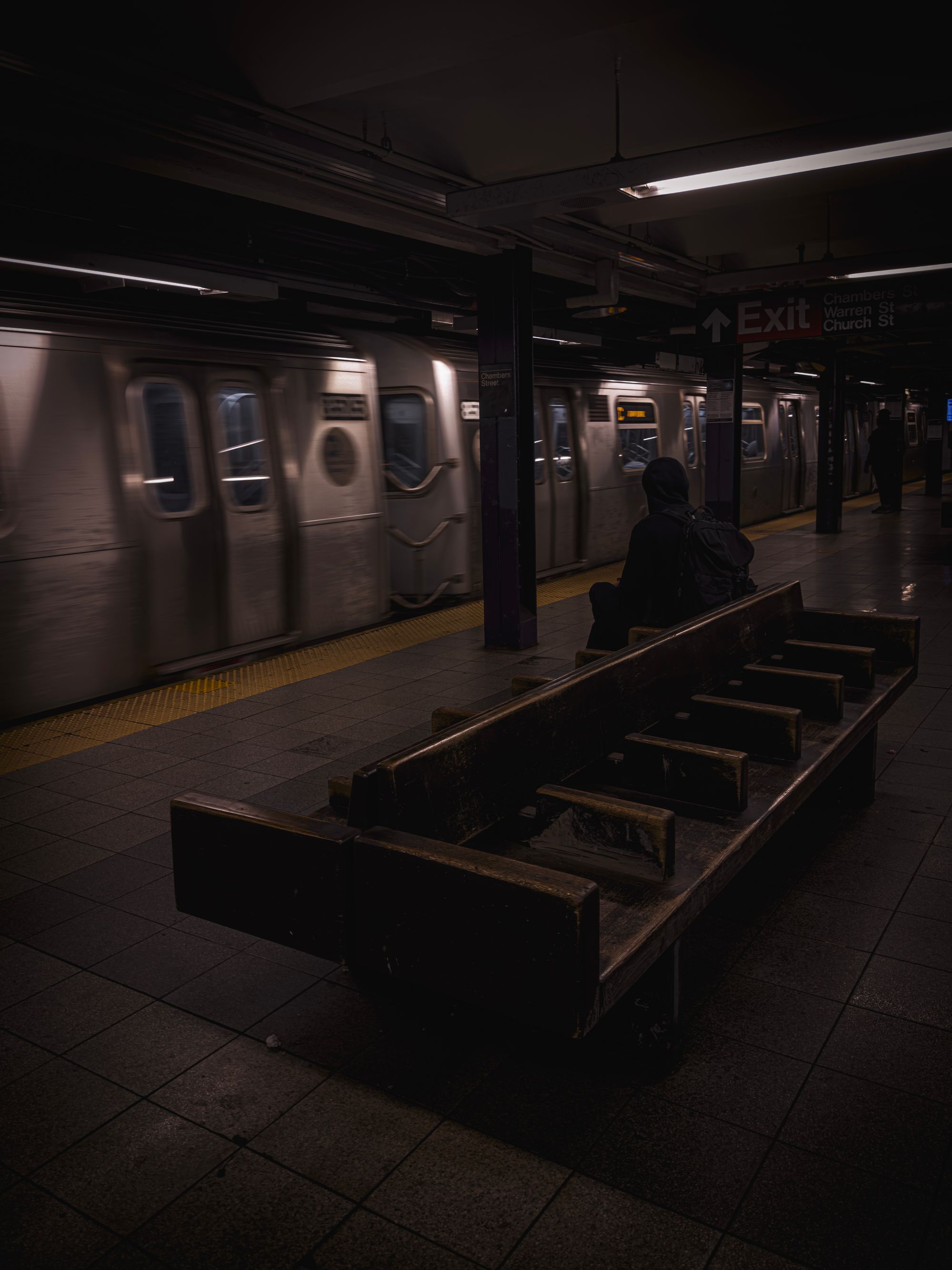
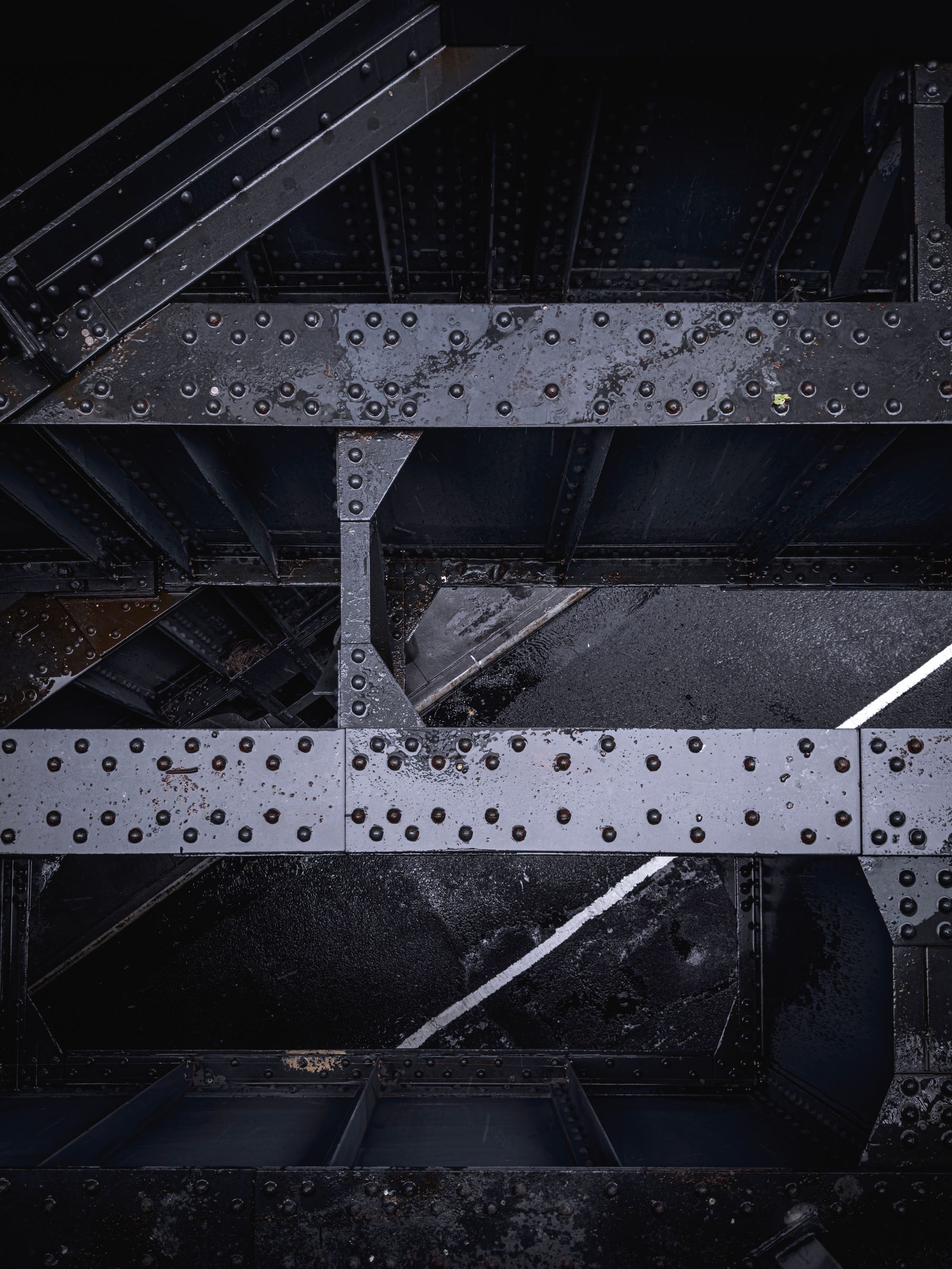
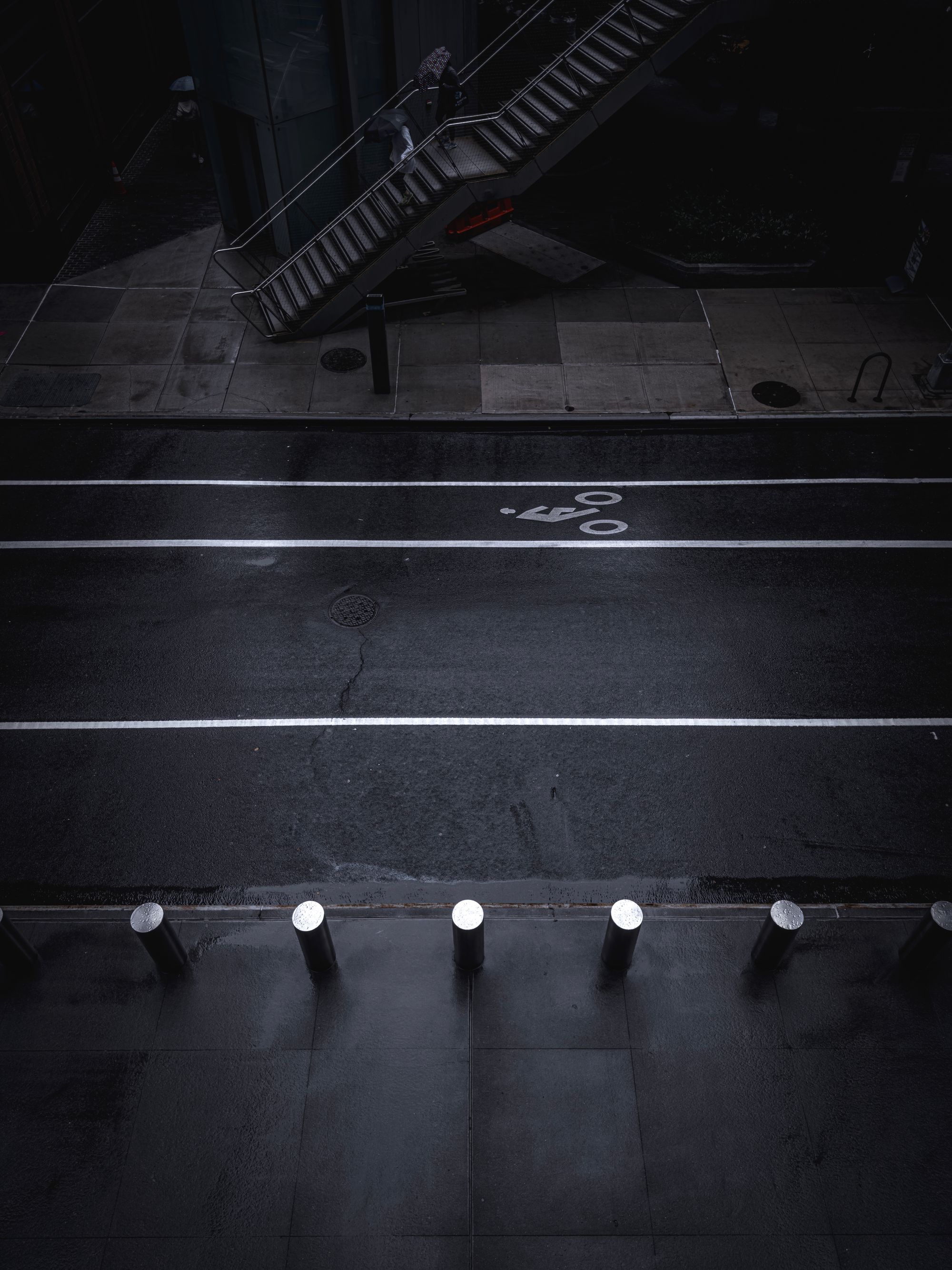
Apple's touting some serious improvements on this camera as a result of an improved imaging pipeline. While not mentioned explicitly during the event, the iPhone camera now combines a 48 megapixel high-resolution frame with a 12 megapixel frame to create a highly detailed, high-resolution-but-manageable 24 MP shot by default.
This is going to be a huge jump for most users, which have previously shot 12 MP shots (even on iPhone 14 Pro, which always shot 12 MP images unless set to ProRAW 48) and it makes absolutely perfect sense.
48 megapixels are far too much for most images, take up a ton of space and are slower to capture. I think I can state without exaggeration that it'll be a huge upgrade—potentially one of the biggest ever— for the average iPhone user, on par with the introduction of Night mode.
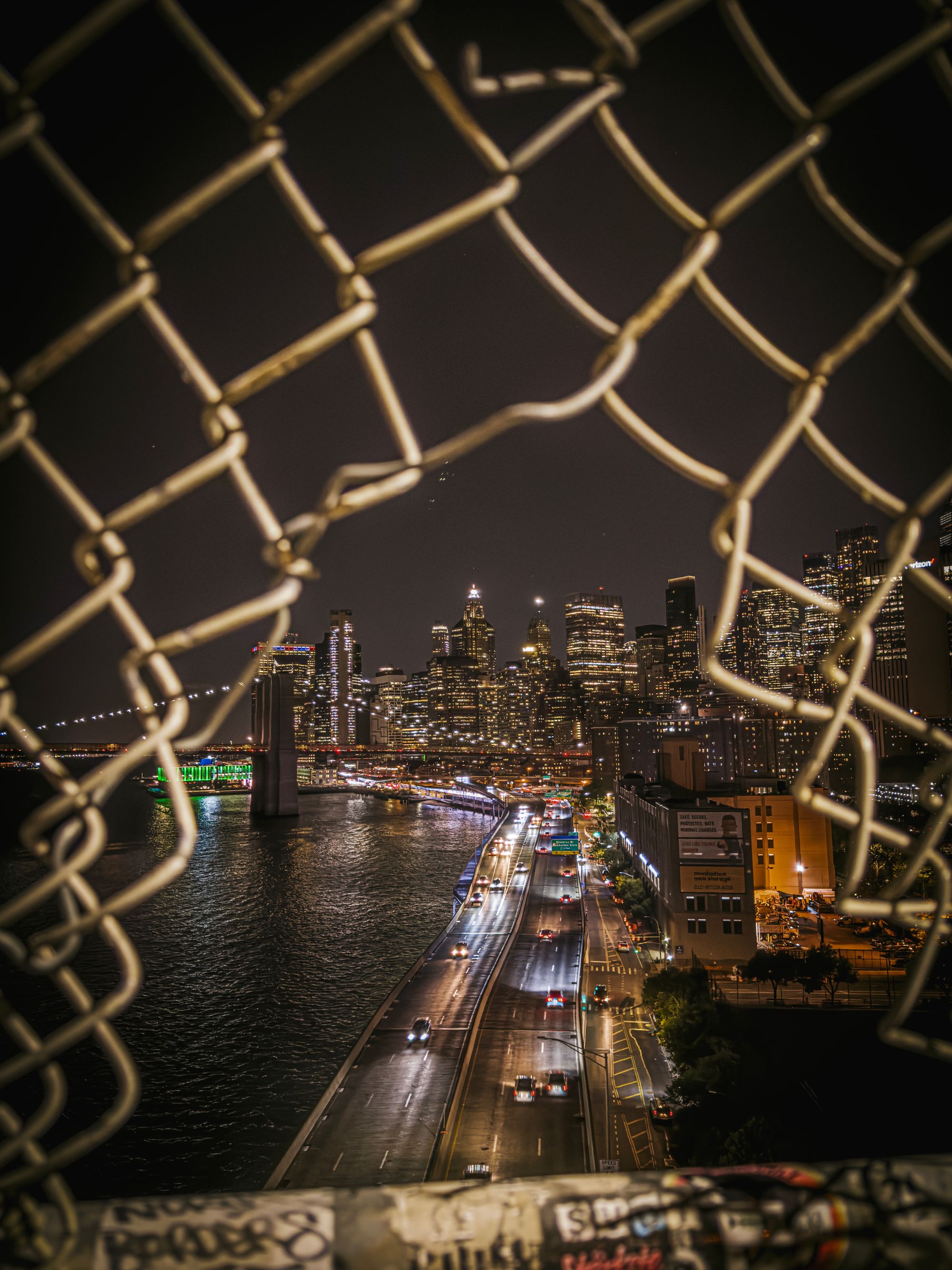
Speaking of Night mode: in some modes, the camera app will output lower resolution images where needed. Night mode, for instance, combines pixels for higher light sensitivity on-sensor and only gets you 12 MP, no matter the capture format. I found it a solid tradeoff in my usage.
Unfortunately, I can't personally shoot in 24MP, because it isn't available when shooting ProRAW. Your choices are only 12MP or 48MP. It's a real bummer because 48MP ProRAW files get absolutely massive.
Even if you're fine shooting HEICs, native 24MP capture is sadly not available to third-party apps like Halide. Some apps now take 48MP photos and then downscale to 24MP, for the slowest possible experience with none of the processing benefits. We're here just hoping Apple will roll out genuine 24MP support in an update.
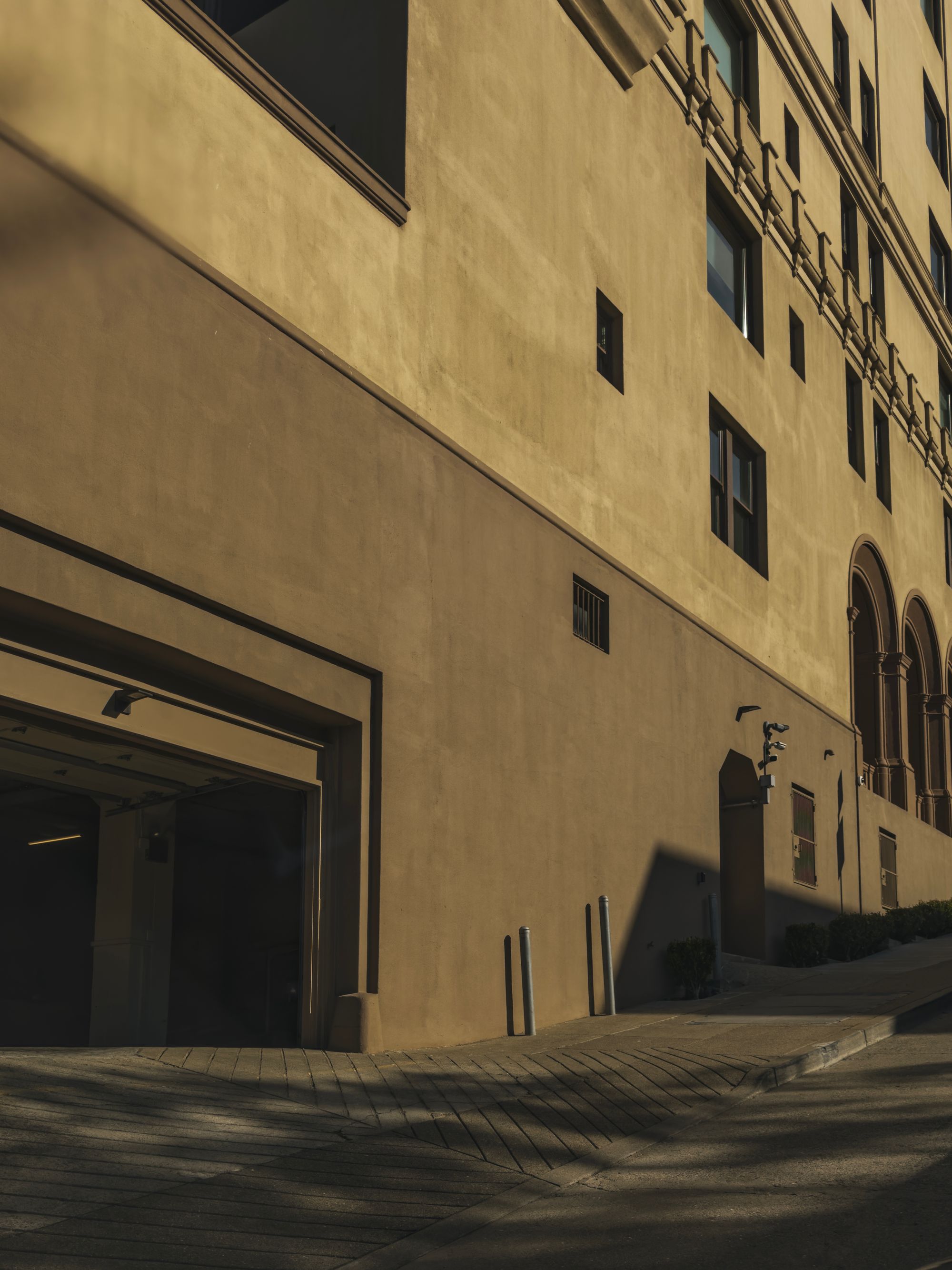
As for the files as they are today, I noticed colors are ever so slightly more pleasant. Maybe it's software—we'll dig into that later—but it's always possible this is due to lens coating changes this year.


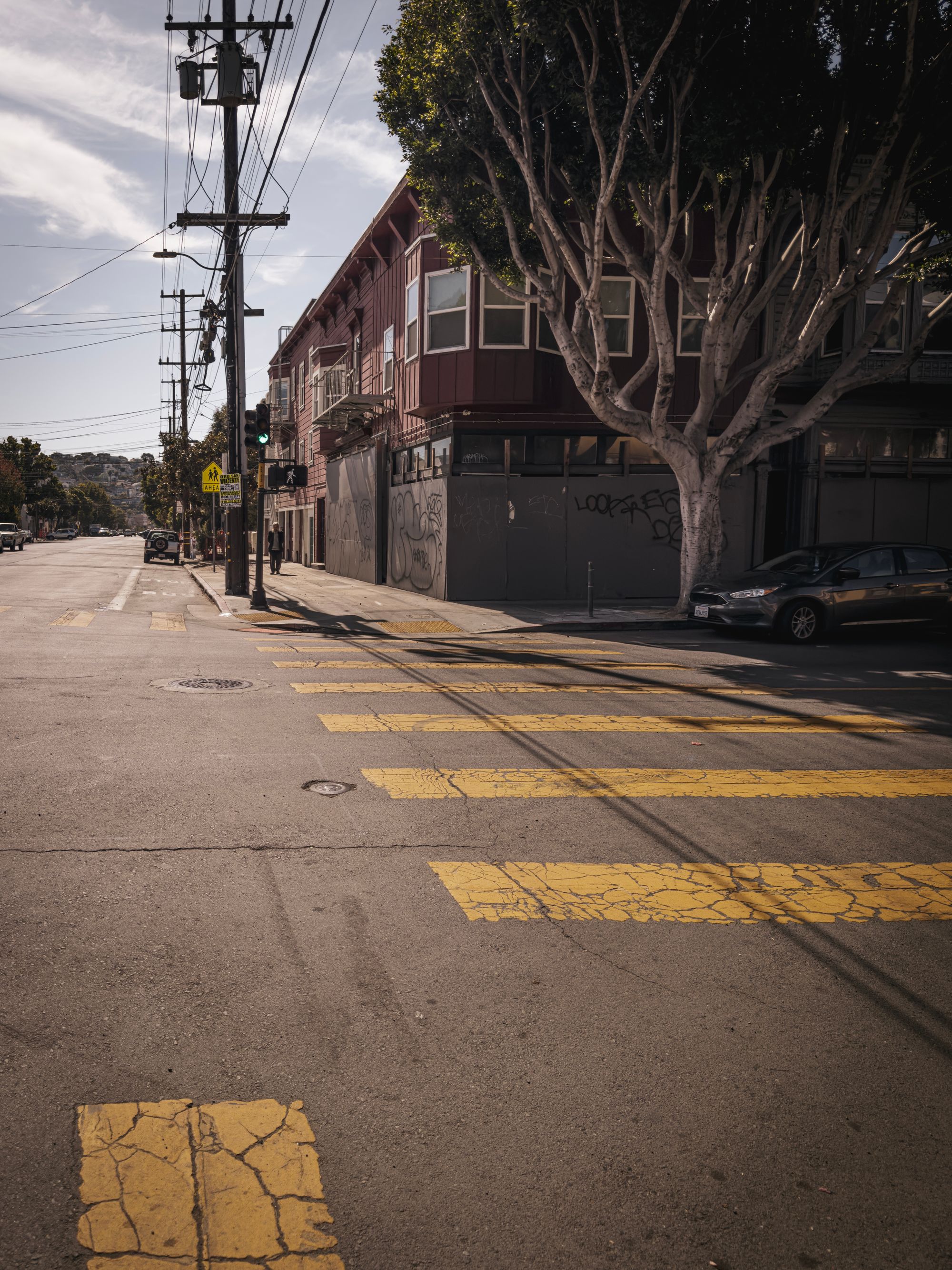
Last year's iPhone pro added an 'optical' 50mm (2×) lens, and this year adds 28mm and 35mm equivalents. You can disable or enable any of these, even making, say, the 35mm (1.5×) 'lens' your only main camera, comfortably sitting between the extremes of 12 (0.5×) and 120mm (5×).
ABOUT THE AUTHOR
Kate L Peterson passionately reviews various products like tech, household essentials, beauty, and lifestyle items, aiming to empower consumers with informed choices.

0 comments:
Post a Comment